
In this edition, learn about a swindler whose fake oil field schemes rival Bernie Madoff’s exploits. Find out the meaning of the phrase “duck soup.” Discover a gorgeous little museum in Greenwich, England.
Vintage Phrase of the Month: Duck Soup
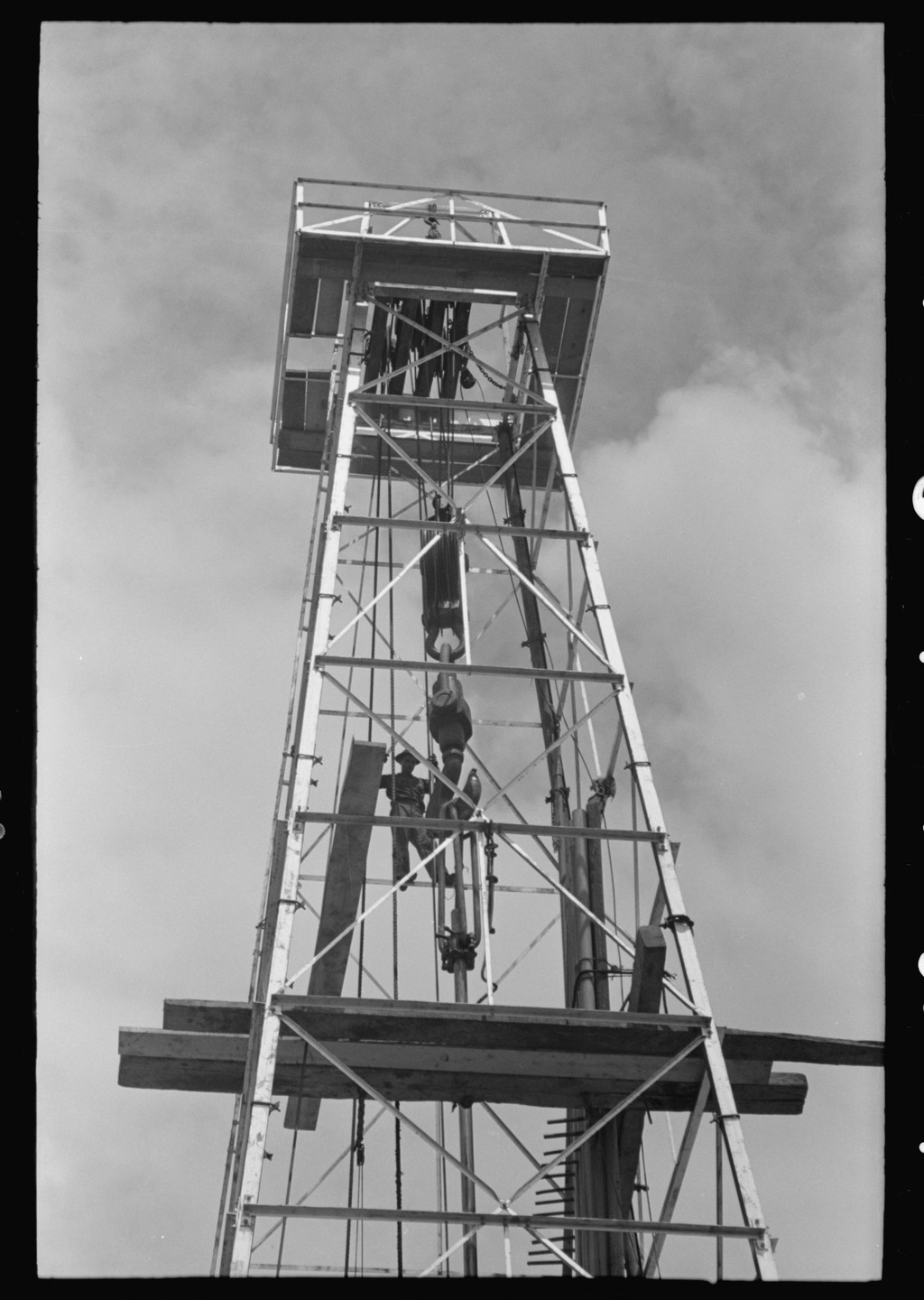
Classical Hollywood enthusiasts are familiar with the Marx Brothers’ movie, Duck Soup. The phrase means “easy to accomplish” and has its origins in a 1902 newspaper cartoon. Strangely, there are no ducks in the cartoon, which depicts a man juggling a variety of ordinary items. Yet the phrase caught on, and its cousin, “water off a duck’s back” is a popular idiom today. Since ducks’ feathers contain an oil that repels liquids, it makes sense that the animal is associated with (to use a modern reference) the “easy button.”
Your Next Great History Read
Empire of Deception, by Dean Jobb. Harper Perennial, 2015. 336 pp.
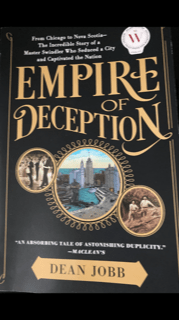
Madoff. Ponzi. Belfort. Koretz. The first three names in this list are well-known in the annals of notorious con men. On the other hand, Leo Koretz’s story lived in the purgatory levels of early twentieth century history. Journalism professor Dean Jobb brings Koretz’s remarkable saga to consciousness in Empire of Deception.
Jobb claims if Leo Koretz had been caught before Charles Ponzi’s massive swindle collapsed in 1920, we would be saying Koretz scheme instead of Ponzi scheme. Using primary sources which include contemporary newspaper articles and interviews, Jobb separates the myths from the facts of Koretz’s con activities, which spanned from 1905 to 1923.
Koretz grew up in Chicago, and although his ambitions led him to finish a law degree by taking night classes, his true love was money, not the law. He began by selling fake mortgages, but when he was duped by a schemer who relieved him of $1000 over non-existent timberland in Panama, Koretz was inspired to create his own form of large-scale theft.
At first, Koretz copied the timberland con, and kept Panama as the location. He created a fake group called the Bayano Syndicate, and he kept his investors happy by paying dividends in amounts high enough to minimize suspicion. Over time, he expanded his scam and his earnings by inventing tales of oil discoveries in Panama.
Koretz used his considerable personal charm in combination with reverse psychology to try to convince his friends and acquaintances to not get on board with his ventures. His victims would beg to be let into the deal, and Koretz would relent after awhile. This portrayal of his business as an exclusive operation ended up drawing in more investors.
The Bayano Syndicate con fell apart in 1923 when a wealthy group of investors insisted on travelling to Panama to see the oil fields in person. Koretz gave the men a friendly send-off, and then fled to New York. He abandoned his family, who had no knowledge of the scheme. Koretz then reinvented himself as a literary critic, and managed to evade capture by the authorities.
Koretz eventually landed in Nova Scotia, where he bought a lodge and continued his deceptive ways. In 1924, he was caught by a wardrobe malfunction, of all things. He brought a jacket to his tailor for repairs, but Koretz left a label with his real name inside the clothing. He was returned to the United States for trial, and was given a minimum sentence of one year, largely due to the judge’s sympathy for Koretz’s poor health. Yet it turned out that Koretz, once imprisoned, still had one last trick to perform…
Jobb draws parallels between the scammers of the 1920s and those operating in more recent years. For example, he observes that Bernie Madoff used a play similar to Koretz’s by making his investors feel like they were part of an elite group. Also, in the sections covering the media’s sensationalist treatment of the Koretz case, Jobb is unsparing in his criticisms of the underhanded methods of journalists at the time. The author notes that such practices are thankfully unacceptable today.
Empire of Deception‘s main strength is in Jobb’s acknowledgement of the ambiguities surrounding con men like Koretz and Madoff. In essence, they caused enormous pain to their families, but both men defended their actions by claiming minimal harm was done because they’d preyed on people who were already wealthy. Did they have a point?
The Fan Museum: An enchanting gem in Greenwich
12 Crooms Hill, London SE10 8ER, United Kingdom https://www.thefanmuseum.org.uk/
The best museums are often those with quirky or niche collections. The Fan Museum, which is located in the borough of Greenwich, London, is a fine example of this type of repository. The museum opened in 1991, and according to its website, it’s the only exhibit dedicated to the history of the fan.
Parts of the collections are available for viewing online, although the detail and artistry of fans from several eras are best appreciated in person. One highlight is a fan which doubles as a hearing aid!
The museum has permanent displays, and regular exhibitions are also held throughout the year. For people who have a talent for crafting and want to become fan artisans, there are fan making workshops available.
Get a preview of this unique gallery in a 25th anniversary video on the museum’s history page. Prepare to be charmed by this elegant and captivating collection!
Remember to subscribe to Back In Time Editing Services for more journeys to the past in It’s About Time!
Do you or anyone you know need an editor? Please contact me, or share my name. Visit backintimeediting.com to schedule a free introductory session and to learn more about the benefits of hiring an editor for your nonfiction project.
 Back In Time Editing Services
Leave a comment